
MV Pro Media – The Vision Podcast #15
Guest – Tom Tiner, Editorial Director and Chief Executive Officer
On this page:
- Podcast player
- Guest information
- Episode chapters (coming soon)
- Episode transcript
Listen to the Episode
About our Guest
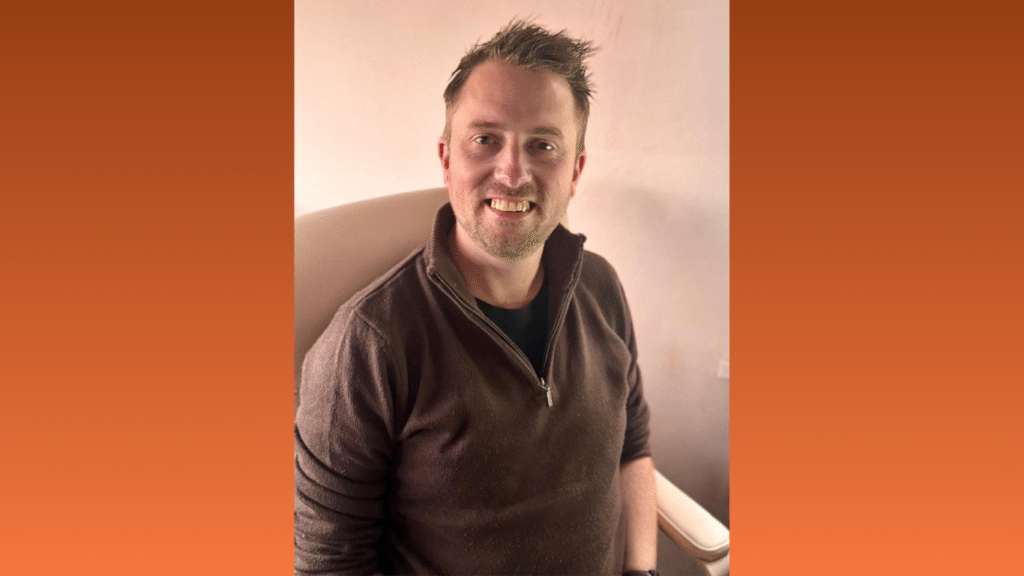
Tom Tiner Editorial Director and CEO of MV Pro, is a driving force behind the publication’s strategic vision and editorial excellence. With a leadership style grounded in clarity, creativity, and industry insight, he guides MV Pro’s content direction while fostering a culture of high-quality journalism and innovation. Under his stewardship, the organization continues to evolve as a trusted voice in the field, delivering thoughtful analysis, compelling narratives, and meaningful perspectives to its audience.
Episode Transcript
[00:00:00.960] – Josh Eastburn
Welcome to the MVPro Podcast. Believe it or not, this is the 12th month of the podcast. It’s also the holiday season across the western world and we are slowing down production to let the MVPro team enjoy a break. Conference season will be upon us soon enough and of course we are excited for everything that 2026 holds, but for now we thought this would be a great opportunity to step back and take a look behind the scenes of MVPro. Today’s guest is Tom Tiner. Tom has served as Editor in Chief of MVPro Media for the last two years and recently took over as CEO from our former head, Alex Sullivan. Today, he and I talk about the business of machine vision news, big trends of 2025, and where the industry might be going in 2026. This will be our last episode of the year, but don’t go without letting us know what you think. What were the big trends of 2025 that caught your attention? What did we bring you on the podcast that you thought was worth mentioning to someone else? You’ll hear our takes, but we’re always interested in hearing yours too.
[00:01:06.780] – Josh Eastburn
For now, enjoy my conversation with Tom Tiner.
[00:01:11.420] – Josh Eastburn
I think just as a team member, I’m interested in kind of getting your take on the business and how things have grown over the year. I know a lot has changed, but I think the thing that comes to my mind, first of all, is this interest in expanding the community from just a focus on Europe to including North America. Would you agree that that’s kind of been like the big challenge for 2025?
[00:01:34.840] – Tom Tiner
Yeah, I think it really has. It’s been a, we were known in America. There was maybe a handful of companies that were aware of our existence from various trade shows and stuff, but not compared to the other big players in the United States or North America generally, I guess. So that’s been the biggest, yeah, the biggest hurdle for us to get over is to, you know, and we’ve done well, to be fair, we’re getting some good, you know, good reader responses from, you know, from the magazine. And as you say, you know, the podcast, having you as the sort of host and having you as the host and the editor of it has given it, we, you know, I think certainly that extra bit of credibility that we perhaps need in, you know, in North America because we do see the machine vision world in certainly three sort of areas, North American, European, and then the Far East. Now, okay, the Far East is a battle for, you know, someone much braver than me, but, you know, with you on board and that side of things, I think we’ve made a really good start into North America this first year, so that’s been really good.
[00:02:43.160] – Josh Eastburn
How long has MVPro been around?
[00:02:46.040] – Tom Tiner
So it’s actually been in its full existence for about 12 years now. So Alex, our previous owner was in business with another gentleman who some people listening will remember called Paul. And yeah, they started it about 12 years ago. And yeah, so that’s it. And then to a certain extent, the reason I got involved was because Paul was stepping back from it and from various other bits and pieces. And so Alex, who I’ve known for many years, I wanted to get involved and, you know, I had a background in publishing and bits and pieces. So it was, yeah, it sort of made sense to, you know, really have a go at this and, you know, I could see the, see the potential, but, yeah, it’s not been without its challenges. Yeah.
[00:03:32.610] – Josh Eastburn
So I, I’m interested to talk about both of those things at some point, you know, your background or where you were coming from before you got involved with MVPro, but I’m also wondering what made 2025 the year to take on this challenge, right, of expanding the focus of the book, the brand?
[00:03:51.070] – Tom Tiner
I think the thing that sort of really launched it or really made me and Alex at the start of the year think, this is the way we’ve got to go, is strangely from the back of off the back of COVID there was the whole COVID issues and all that sort of stuff, and everyone kind of shut down and everyone you know, went into their own worlds and that was fine. But actually off the back of that people have realized the world is quite a small place. I mean look at us, we’re doing this and I’m in the UK and you’re in the States and here we are having this conversation. And I think so it was like actually we can’t just limit ourselves to a European audience because the world is so much bigger than that.
[00:04:34.360] – Tom Tiner
The world is connected. It is a connected space. Our readers and our advertisers and the magazine and all that sort of stuff actually do work internationally. And so we need to service that. We need to be international as well. So that was the main drive, the main realization.
[00:04:51.160] – Josh Eastburn
Yeah. Interesting. And we’ve had some big international brands involved in the podcast for sure. I’m just thinking, obviously I’m thinking a little selfishly here of like, okay, I’ve talked with companies like, yeah, Eines and Zebra and definitely working at an international level. And as I think about the different issues that we’ve put out this year as well, brands that are choosing to advertise with us, yeah, that’s absolutely true. And I don’t know if this is the direction you want to go in, but I’m just going to ask it.
[00:05:23.540] – Tom Tiner
Yeah, go for it.
[00:05:24.100] – Josh Eastburn
But what kind of response have you heard from, I don’t even know who would be the right audience to use as kind of the litmus test there, right?
[00:05:31.640] – Tom Tiner
But yeah, maybe from vendors.
[00:05:31.670] – Josh Eastburn
What kind of response have you heard from vendors in response to this more global focus?
[00:05:41.050] – Tom Tiner
So on the North American side, it’s been really positive. It’s been really positive across the whole thing. On the North American side, it has been really, really positive because they have seen it as a we existed, but it’s always been quite heavily European focused and all this other stuff. And so they like that we’re trying to be global, trying to be international and picking up companies that are based in the States or based in Europe or based, and not being sort of prescribed about where things are. And through everyone seems to be, I suppose the weird thing, and again, I’ll say it and then see how sort of relevant it is for the purposes of the podcast, but we offer our website now through the development and all that sort of stuff. We see a target. So if someone is opening it from North America, they can, you know, they can do it. So our advertisers, if they need to, can do it, you know, can do. But actually, everyone has come back and say, well, no, I want Global reach. I want International reach. I want to see everybody. So it’s like, okay, so I’ve done all this development for no reason, but no.
[00:06:50.980] – Tom Tiner
So that side has been really good. And actually, from the European side, they are really excited about it because I think a lot of the smaller European guys, you know, yeah, the big ones, like, Zebra and all those sort of guys, fine, they’re not too worried either way in terms of reach, but the smaller guys and particularly some of the startups, I’m thinking back to like Medabsy who you had on here, we really support those guys, they’re new, they’re exciting, we’ve got a lot of time for them. And helping them get their product out and their word out internationally is massive for a small guy like that.
[00:07:28.660] – Josh Eastburn
Interesting. Yeah, those have been some of my favorite conversations, I think, with these, the startups, there’s a lot of energy there and they’re bringing, you know, these fresh ideas to the market. So that’s a lot of, there’s a lot of fun stuff to talk about. But that’s a great point. Like we’re really giving them a lift and that makes me happy too. Cause I feel like that is the point of the podcast, right? Is to bring eyeballs, bring attention to these great ideas. So that’s fun. Let’s talk about some other accomplishments, whether you want to hit the numbers or what is it that comes to mind when you think of your proudest accomplishments for the MVPRO brand this year?
[00:08:06.730] – Tom Tiner
I think in terms of proudest accomplishments, I think it is, you know, we didn’t take it from a standing start because obviously it existed and there was a thing and people knew it. But actually, it was a whole new editorial team, you know, myself, and then you, Rachel and Mark, you know, a whole new set and then, you know, later, obviously, Camille joined and Mark Toland joined. So it’s been a pretty, you know, new team this year as well. So, you know, we’ve been good to get that, you know, really functioning well. And then just that expansion, you know, I mean, it’s not just expansion in terms of reach, which we’ve done. Like you said, you know, we’ve launched the podcast this year, which has been, you know, probably one of the jewels in our crown, really, to have that podcast because it is, you know, it’s a proper conversation, I think, is the way I would describe it. You know, it’s not a sales pitch, it’s not a, you know, interview or whatever. You’re, you are tackling people. And that, for me, I think, is, is brilliant. And, and we’ve increased our copy as well. You know, previous, under the previous ownership, MVPro was four or five times a year, whereas we’ve put, you know, we will, the December issue will be our 10th this year.
[00:09:23.610] – Josh Eastburn
Yeah. Okay. I didn’t realize that.
[00:09:25.930] – Tom Tiner
So that’s been the big thing, you know? So, yeah, I’m giving everyone Christmas off. You know, we’re not going to have one in January. We’ll do, it’ll be a December/January magazine so that everyone doesn’t have to work over Christmas. But, yeah, yeah, so going up and, you know, and that, I mean, come with its challenges because, you know, we’ve got to make sure there’s content there. I can’t just keep regurgitating the same press releases all the time, you know, I think for me, actually, you know, we’ve got a really good team coming together now, you know, like I say, with yourself, Mark Williamson, Mark Toland on sales, and then myself and Camille, sort of, you know, me obviously as Editor, but I think as a little group, you know, and Rachel, sorry, as well, you know, it’s got the real makings of a really, really nice team to really sort of push this on.
[00:10:13.030] – Josh Eastburn
We’ve definitely appreciated your leadership because I know it’s a lot to keep that pace up, right? Like you said, we can’t just regurgitate the same stuff every month, so constantly that push for new content. Yeah, I can see that there’s a lot going on behind the scenes. How did you, maybe, maybe the right way to ask that is for you personally, what was attractive about the prospect of jumping in and helping with that lift? Yeah. With the big 2025 agenda.
[00:10:42.960] – Tom Tiner
So I think from a, from a slightly selfish perspective, it was it was partly the sort of ownership, and I don’t mean the ownership in terms of the ownership of the business, I mean the ownership in terms of, you know, I’ve spent a lot of my time, you know, as everyone does, working for other people, doing other things, and, you know, and that’s fine. And this was my chance to turn around and go, actually, no, this is mine, I’m going to steer this, this is, you know, I’m going to make this what I want it to be for the good of the business, all that sort of stuff. But, you know, so that was one big draw for me. And the other one was so, you know, and maybe we’ll touch on this later, but my, my previous sort of background, you know, various jobs, but one of them was Head of Data for New Scientist magazine. And so I’ve always been quite interested in science. I did chemistry and physics at A level, you know, at the sort of top level for our college and stuff. So I’ve always been quite interested in science. And so getting involved in quite a specialist science magazine.
[00:11:39.680] – Tom Tiner
In, in terms of machine vision, because, you know, When I first sort of thought about it, it was like, I mean, it’s cameras that, you know, what’s that all about? But actually, as soon as you sort of opened it up and read it, it was like, okay, there’s all these different parts. There’s, you know, lenses and Lidar and everything. And I was like, okay, there is a whole world out here. And one of the things that really sort of tickled my fancy about it, and this is one of the things that I’m, we sort of started on, and it’s something certainly we’re going to discuss as a team and progress and things is actually I was amazed at how much machine vision impacts our day-to-day lives, you know, in sports events, in your doorbell camera, in all of this stuff, you know, it’s everywhere. And I think we as an industry are missing a trick, you know, we’re very good at talking to other industry experts and telling people and all this sort of stuff and that’s great.
[00:12:35.850] – Tom Tiner
But I really, I think we’re missing a trick with the end user guys, you know, someone, I’m not saying it would be everybody, but, you know, people just sort of buy their camera and expect it to work. And I think there’s a group of people out there who perhaps want to understand a bit more. And I’d love for us to reach them as well.
[00:12:52.570] – Josh Eastburn
Interesting. Okay. So a more, yeah, what is that? Consumer kind of, yeah, focus. Interesting. Okay, so there’s a lot of opportunities for you to step up and take leadership and to dive into a new very technical field, right, as you’ve discovered. Yeah, definitely. I think same here. I had a background in automation, not specifically within machine vision though, but familiar with a lot of the technologies that connect vision to the rest of the world. And yeah, very multidisciplinary. And yeah, this is something that I’d like to talk about as we continue here as other areas to dive into because we I’ve talked a lot about, for example, AI and machine learning, right? We’ve talked a little bit about some of the hardware aspects. I don’t think we’ve really talked very much about the sort of optics and photonics part of machine vision. Yeah. So I’d like to hear more about that for sure. That’s just something I will have in the back of my head for 2026. But speaking of tech, what are some of the other areas that you’re hoping to explore? I feel like you have a lot more to cover.
[00:13:57.850] – Josh Eastburn
I mean, we’re doing one or two interviews reviews a month on the podcast, right? You’re publishing multiple articles every month. So I feel like you’ve touched on a lot more of that. What else is kind of in scope for you as we continue forward? What do you want to touch on?
[00:14:16.140] – Tom Tiner
I mean, I think to be fair, you’ve really hit the nail on the head. That’s the big thing is. That it’s such a vast area. We haven’t really touched on photonics or that side of things. There’s a whole world, you know, and I don’t want to do any of our readers or vendors or anyone that sort of disservice by, you know sort of brushing past them, really, I suppose that’s the thing. So, you know, I think it’s, it’s one of the things, again, you know, we sort of want to try and understand again, you know, and it’s to a certain extent, as the company’s grown and all this sort of stuff, you know, things maybe aren’tort, sort of set in the right category or in the, you know, for our side of things. So we need to do that so that we can make sure we’re getting everybody. But I think the thing, I mean, a couple of sort of areas for me, yeah, I mean, it’s difficult because, like you say, you get this sort of AI buzzwords and bits and pieces like that, which everyone, which is, you know, true and correct, and everyone should be aware of what’s going on because it’s huge. But I think for our industry particularly there’s massive advances in even things like semiconductors and stuff like that, you know, just sort of little components that, you know, make up a huge part of the industry.
[00:15:39.100] – Tom Tiner
Or the other one that I’m sort of quite interested personally to explore is like lighting and things and that kind of things because it’s something you know, when we were at Munich, we saw a lot of it. And I don’t know whether, whether you guys did when you were at the show with Alex, but it was the, I was amazed that, you know, you can, I, you know, I appreciate you can get a different light bulb with different Watts and all that sort of stuff, but actually, even the different frequency of the light can impact the way that the product is then scanned and seen and all this sort of stuff. And so, you know, I, again, sort of not maybe fully consumer side, but, you know, an end user in terms of maybe you’ve got a quality control person on the production line, they go to a show and they see a scanner and they’re like, yep, that’s what I need. I’ll buy that, bang, put it into the thing and then it doesn’t work properly because when they were at the case, though, it was all under trade show lights and it was zing and now they’re in their dark gloomy warehouse and, you know, it’s not working quite as well.
[00:16:41.280] – Tom Tiner
And so I think, you know, so for me, lighting and that sort of sensor lenses, you know, all that, how it physically happens, I think, is something that, you know, I would personally like to explore a bit more.
[00:16:54.880] – Josh Eastburn
Yeah, there’s definitely a lot that is of general interest, even if you’re just working in the manufacturing space or in other parts of quality control. Yeah, there’s a lot to understand behind the science and technology, right? Just this specific aspect of of automation. As maybe we’re doing this a little bit backwards, right? We’re talking about the stuff that we’d like to include next year. But what about what we have covered this year? What have been some of the biggest things that have caught your attention or things that you feel like that you’re happy that we covered?
[00:17:26.590] – Tom Tiner
I mean, I think, so jumping back to maybe the start of the year, obviously, President Trump came in and we had all the tariffs and that everyone sort panicked, but everyone sort of stopped for a second is like, hang on, where am I now manufacturing my kits? Where am I now doing it? You know, yeah, it was a whole, so I think, you know, we got on top of that quite quickly. And that was, that was a good, good piece, good piece for us. And Ron Muller, who’s been on here as well, I think you guys spoke about it at the start of the year.
[00:17:56.010] – Josh Eastburn
Yeah.
[00:17:56.530] – Tom Tiner
So that was, that was a good one. And, and then I think, again, I mean, it’s probably just because of where I’m coming from for it. But one of the other ones we did a lot on actually, it got sort of one of our best reader sort of uptake, I suppose, was airport scanners. There was a new airport scanner developed and we, I don’t know whether we broke the story on it, but we published it and it just took off. It was, you know, cheap was the pun unfortunately, but it really did and that was really interesting to see, you know, because as an editor and I guess, you know, for you as a podcast, you know, podcast editor, you know, sort of generally journalists more generally, you sort of write your piece or you do your podcast and all this sort of stuff and you don’t know what’s gonna land, what’s gonna sort of really hit. So that, I mean, that’s been quite interesting to me. But yeah, I thought the airport scanners were really, really quite good this year. And then, you know, we did a lot of trade show coverage. You know, there’s been some really good sort of automated bin picking and things like that from Photoneo, now part of. Zebra and a couple of other guys. MVTEC, you know, continuously re-releasing the Halcon series and that. So that’s been good. So we’ve been on that journey with them, which has been quite nice to do it with them and take it as well. So, yeah. I mean, what about you and one of your sort of highlights, I guess, from your podcast and yeah, if yeah.
[00:19:21.700] – Josh Eastburn
Yeah, I mentioned AI. I was going through the list of, I mean, my first impression, I think, from Automate this last year was just how many people were talking about different aspects of machine learning that they were adding to their products. Right. And I started rattling off all the different guests that we’ve had on the show who have wanted to talk about that. Madam C. Zebra had a lot to say. We had Ether, who’s a sort of a specialist in that field consultancy. Eines, we had FQ Source here talking about yeah, very different aspect of machine learning. Right. In the procurement process, which I was really happy that we could get that angle just to see how many different aays AI or machine learning, how many different avenues it is entering the field through. Yeah. And so, yeah, one of my predictions, I think, for 2026 is that it’s going to become passé. We know how the hype cycle works, and we’ve definitely been at this peak time. But I think it’s going to trend down in the sense that we still want to talk about machine learning, but we’re going to want to get more specific because what you can see right now, that term is covering a lot of ground.
[00:20:39.370] – Tom Tiner
Yeah.
[00:20:40.090] – Josh Eastburn
Right. T’s an umbrella term that really we have is really covering a lot of sub-fields like synthetic image generation, right? For training purposes. And then, you know, on the other end, we have different types of vision algorithms that under the hood are using machine learning, right, in order to enable them. So we’ve talked about object detection, anomaly detection, classification, segmentation, all these specific areas of machine vision algorithms that weren’t possible before or weren’t as easy before. I think that’s really where the interest is going to be, right? From a vendor perspective, it’s going to become passé to say, well, we’ve got lots of AI, right, we’ve got lots of, you know, machine-learning-enabled stuff. Yeah, tell me specifically what you’re doing with it that other vendors aren’t doing with it. What specific technology are you bringing to market? And I think that’s always where the interesting conversations are going to be, right?
[00:21:39.670] – Tom Tiner
Yeah.
[00:21:40.230] – Josh Eastburn
Like with any technology. So I think we’ll continue to see that evolution through the next year. I am excited that we have been able to bring that to people and help people to start getting educated on what’s new. And I’m looking forward to all the different directions that that’s going to go in. Yeah, that’s been big. I’m glad that we’ve been able to get frontline conversations. So I’ve specifically looked for people who are system integrators, not vendors, right? But people who are actually using the technology and to be able to talk about how ready is this for market, how easy is it to work with? And yeah, fortunately they’ve all had positive things to say about it, as well as, I guess, cautions, precautions for people who are diving into this or who are being sold on AI-based technologies. That’s made me feel really good as an engineer to know we’re helping people make smart decisions about technology selection and how to apply that properly.
[00:22:35.440] – Tom Tiner
Yeah, I think that’s huge. And I think, like you say, the stuff you’ve done on the podcast this year and hopefully what we’ve been doing in the magazine as well really does help that because from a previous life and all that sort of stuff, it’s something I’m very aware of, of vendors or somebody coming up to, you know, a big organization or something. You know, I previously worked for the government, and we had people, people trying to sell into us saying, you really need this piece of AI Tech or this piece of thing. Like, yeah, but tell me what it’s actually doing. Tell me what it’s going to, what problem is it solving? Why, you know, you’re just trying to sell me something. And, and I think, you know, certainly for people in the machine vision space and. But probably more broadly as well. I think, you know, like you say, actually, the, the people who are going to benefit and are gonna do well next year and the years after in, in this space are the ones who really understand what they’re using it for and how they can really, you know, we can all use ChatGPT. all these other available type of thing, you know on a computer, we can all do that. That’s fine. But actually, the ones who can get really powerful machine learning and really specific, you know, AI algorithms and really make it work for them is what’s going to, you know, separate those guys from the people who just go, well, I’ve plugged it in. Well, great. But you don’t really know what he’s doing.
[00:24:00.910] – Josh Eastburn
Yeah. And, you know, and in saying that, too, a lot of these conversations have made me realize how much more accessible machine vision is becoming in. In a large part, I think, because of machine learning, right? Things that used to require a lot of custom programming are just becoming a lot more drag and drop, right? There’s, yeah, the software is making that easier. So yeah, we may be opening up to a new audience of people who are coming into machine learning or not machine learning, machine vision for the first time because it’s becoming more accessible, right? Like a lot of technologies these days, right? AI is kind of lowering the barrier to entry, which is both good and bad. That will require I think to your point, a lot of guidance from people who understand the technology, right, to help people who are new to make smart decisions and understand what they’re doing. And so talking about the fundamentals of vision and again, getting back to what we were saying earlier too, understanding the fundamentals of optics and yeah, how fundamental at the level of physics, right, how does this work and why does it work? What do you need to understand? Actually, one of the early guests that I have on deck for 2026 is David Dechow. And he’s been a trainer for a long time in Machine Vision teaching, yeah, teaching some of those fundamental vision professional courses and stuff. So I’m hoping we can start the year off with some orientation to those fundamentals. That’ll be good.
[00:25:28.620] – Tom Tiner
No, definitely. I think, yeah, I think that’s the thing. I think certainly, you know, those companies that really understand what their product is doing and therefore how they can pitch it to the people and sell it and all that sort of stuff. It’s not just shiny and new. Yeah, fine, but this is what you need it for. This is why it’s going to solve your problem. This is what it’s here to do. We can explain it. We can all sit there. It can’t just sort of, yeah, well, it does a thing and then it spits out and out. I suppose that’s the thing. And this is probably, like you say, it’s becoming much more accessible. Probably not that long ago, 10 years ago maybe, we probably all just accepted the black box mentality of we put something in, it does some stuff and it comes out the other end and that was sort of fine. Whereas now people are interested and people want to understand and people do like to sit there and go, oh, okay, I understand this is what it’s working through, this is how it’s understanding the barcodes or the light readings or whatever it is. And they can make their own adjustments, like you say, hopefully with some guidance. We don’t want people just kind of changing everything, but yeah, I think people are becoming more aware of their options.
[00:26:44.480] – Josh Eastburn
How about for MVPro, the brand? What do you see as maybe some big goals or things that you’re excited about in the next year?
[00:26:54.730] – Tom Tiner
So big, big goals for the next year. So we’re gonna hopefully do well, you know, see much more trade shows and things like that. We’d like to potentially bring on another sort of journalist, you know, another, another writer of sort of some description, you know, relatively Junior. But actually, one of the other big things and again, start sort of touchinh around the edges and did sort of one article on it and, you know, sort of personally didn’t follow it up anymore and need to really is actually that the sort of next generation of machine vision professional. So certainly here in the UK, and I will imagine certainly in the States as well, you know, we have university courses in machine vision. They exist as a thing and we have people and how my sort of question to the world, I suppose, is how do these people get themselves out there, get themselves out there, you know, what I would love to do is have a, you know, four pages in the magazine once a month or something where students or PhD students or whatever can, you know, publish their paper and sort of put their name out there because there are some incredibly bright guys. They really are. And I think, again, they, you know, I’m not saying sort of we’re becoming an aging breed because, you know, we’re still quite young and all that sort of things, but, you know, I do sort of look around, you know, I wonder I mean, you probably know this as well from, you know, I’d be interested in your take on it. Once upon a time, becoming an engineer, you know, you had to put some serious effort to do that and to do the study and to learn the mechanics and really go for it. And then it was seen as a, you know, as a real profession, you know, and I’m not saying it’s not seen as a real profession, but I think the new generation are looking for an easier, quicker win. And so they’re not necessarily, and I think this is where something like the machine vision potentially has a problem because do you does that next generation of engineer or you know, those those people really know our industry know what opportunities are out there for them. So so yeah, one of the things I would I would like to try and tackle next year is student university PhD masters, whatever, whatever that is, you know that and that’s why I sort of struggle with it because I’m not quite sure I haven’t quite crystallized how that looks yet, but I would love to have a voice for the next generation coming through.
[00:29:25.360] – Josh Eastburn
One of my favorite YouTube channels is called Two Minute Papers. And they take new research and they just talk about it in a short format like, hey, here’s a recent paper that was published. This is the work that they’re doing and this is why it could be transformational if it gets attention. Yeah. So I think there’s a lot of potential there. Yeah. Both for the brand to be at the cutting edge, right, of stuff that hasn’t hit market yet, but like, and it touches so many things that are of interest to this audience. I think that’s a great idea. It’d be a lot of fun.
[00:29:59.510] – Tom Tiner
Yeah.
[00:30:00.630] – Josh Eastburn
And while we ate up our time pretty fast, we did.
[00:30:03.750] – Tom Tiner
We did.
[00:30:04.230] – Josh Eastburn
Yeah. Anything that you want to touch on that we haven’t?
[00:30:06.830] – Tom Tiner
I don’t think specifically that I want to touch on. I guess, while I’ve got you and hopefully lots of listeners listening in, you know, it’s for me to say sort of thank you. It has been a bit of a rollercoaster year, you know, our first year, all of us pretty much brand new. But we, you know, I think we’ve made it work and I think we’ve put out, you know, really good products this year. I think we’ve really, you know, met our objective to be, you know, not only, you know, there for the really, you know, made it acceptable, I suppose, you know, made it, you know, having this new feature with the podcast, people can listen who maybe don’t always want to pick up and flick through a magazine all the time. They can just listen for half an hour and that kind of things. But, you know, the magazine, I think, as well, has really, you know, landed well. And, you know, we’ve, I think, I think across the board, I, we’ve, we’ve really done really well. So that’s, yeah, that’s my thanks to yourself as our, as our podcast editor and, you know, and the rest of the team that have, you know, supported us through, through this year to get us to this point, I think it’s been a really good team effort.
[00:31:07.810] – Josh Eastburn
Definitely. Well, thank you. Yeah. And again, thank you for your leadership and for keeping us on track throughout the whole year and into the next.
[00:31:16.210] – Tom Tiner
Yeah.
[00:31:18.050] – Josh Eastburn
It goes without saying that our work at MV Pro would be nothing without our dedicated readers and listeners. Thank you to everyone in our community who shows up every month to engage with our work and share it with your colleagues. You know who you are. And it means everything that what we do here helps you in the work you do every day. Thank you also to our fabulous guests. A quick rundown: Ronald Mueller, Mark Williamson, Jeff Bernstein, Max Grau and Petra Gospodnetic, Michael Coper, Arturo Lopez and David Bonillo, Eric Cheng, David Pascucci and Eric Smith, Ed Goffin, Stephen Mott, Charlie Long, and Petra Schumacher, not to mention all the great folks who let me stick a microphone in their face at Automate 2025 and all the marketing and support staff from the respective companies who have helped with the logistics of carving out 30 minutes to let two busy people have a conversation. As I mentioned, this will be the last episode of the year, but we are already busy prepping for 2026. Until then, I’m Josh Eastburn for MVPRO Media. Happy holidays and be well.