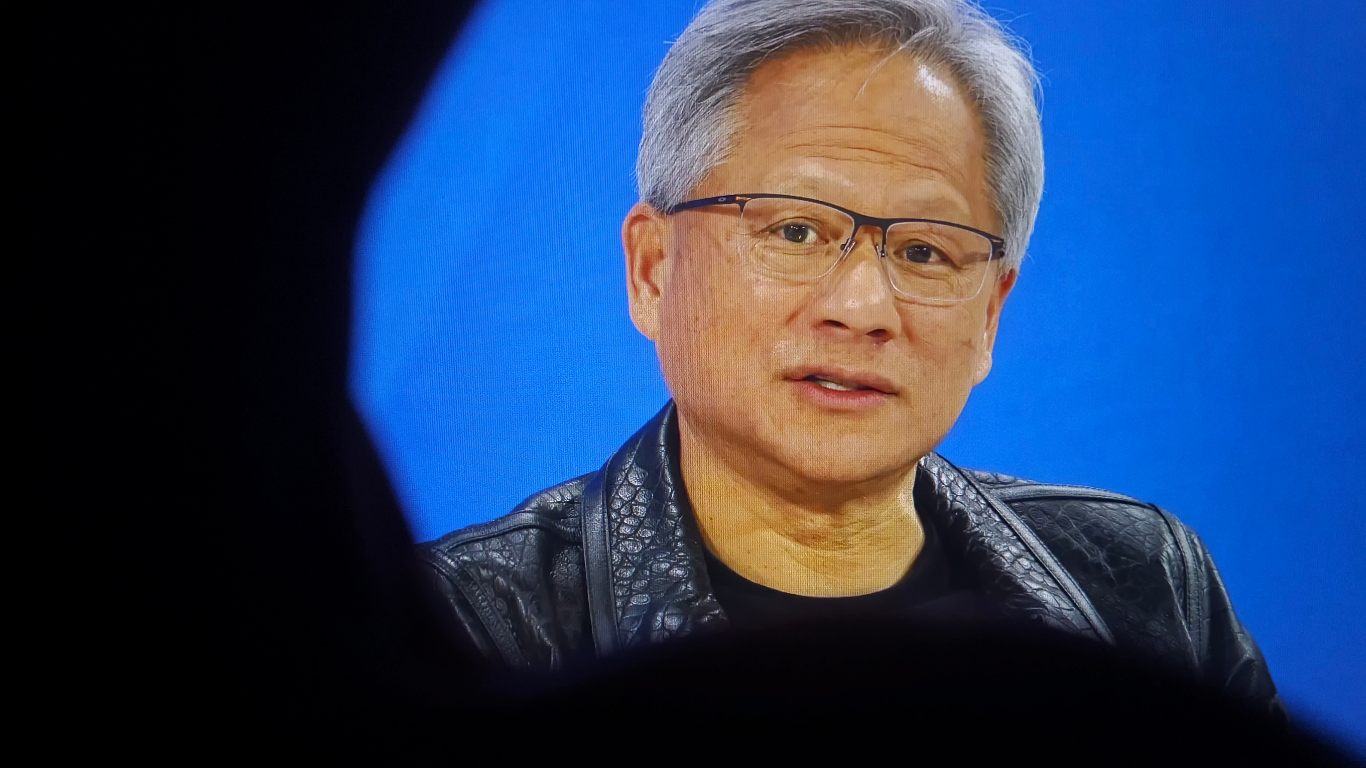

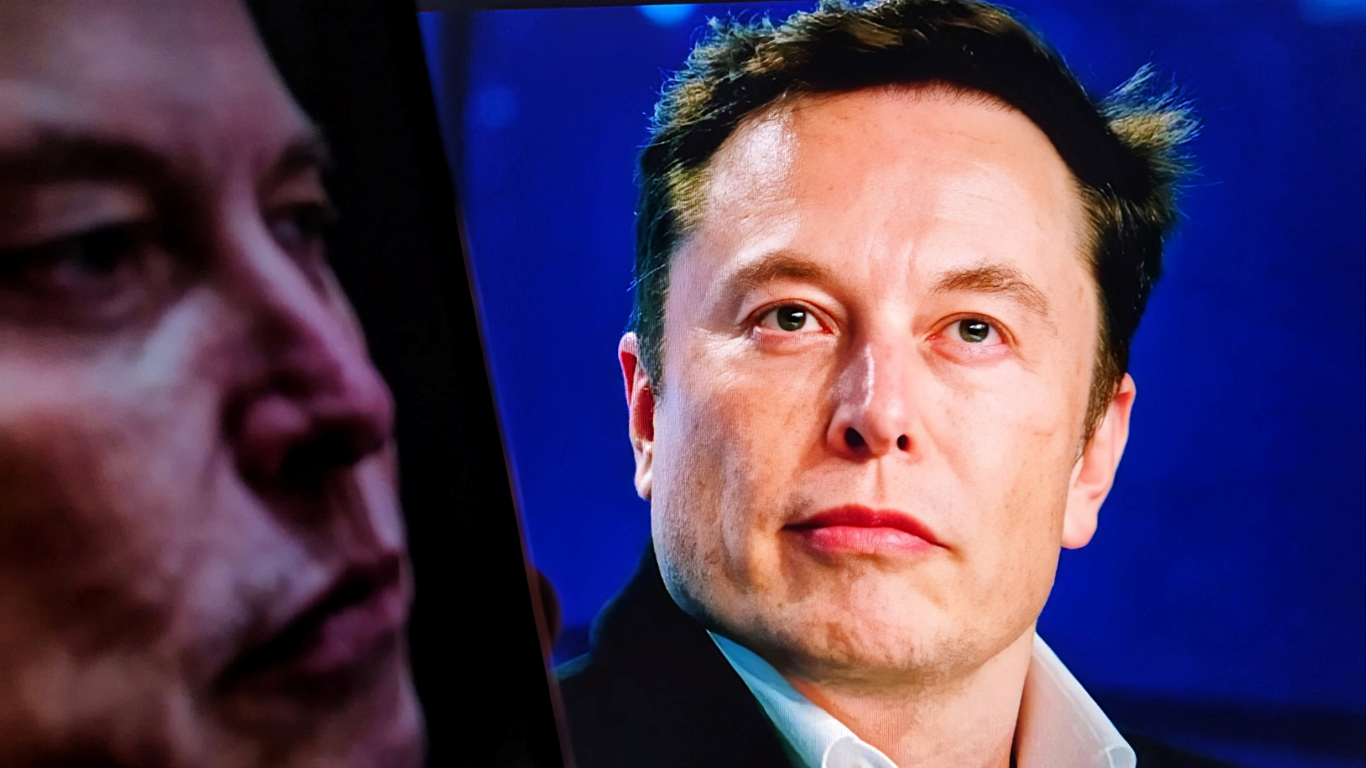
When Elon Musk took the stage at the World Economic Forum in Davos this January, he did not unveil a new product or announce a technical breakthrough. Instead, he restated a familiar idea on one of the world’s biggest economic stages: that artificial intelligence, robotics, and autonomy are approaching a scale that could fundamentally reshape work, productivity, and society.
In his first appearance at Davos, Musk framed advanced AI and robots as enablers of an “abundant” future, arguing that widespread automation could remove many of today’s economic constraints. The message was directed at policymakers, investors, and global business leaders, positioning autonomy not as a niche technology, but as economic infrastructure.
“We will actually make so many robots and AI that they will actually saturate human needs … my prediction is there’ll be more robots than people.” Elon Musk, World Economic Forum, Davos 2026
Beneath this sweeping rhetoric sits a far more complex technical reality. For Musk’s vision to materialise, perception systems have to function reliably in environments that are unpredictable, dynamic, and only partially observable. That places machine vision not at the periphery of the story, but at its core.
Autonomy Is a Vision Problem First
Musk’s remarks at Davos tied together multiple domains that Tesla is pursuing, from robotaxis to humanoid robots. What links them is not mechanics, and not even AI in the abstract, but visual perception. Tesla’s approach continues to emphasise camera-based systems trained on large volumes of real-world data, with software expected to absorb much of the complexity that traditionally would have been engineered out.
That philosophy has delivered visible progress in driver assistance and autonomy features. It also places extraordinary demands on vision systems. Cameras must cope with wide lighting variation, weather, motion blur, occlusion, and rare edge cases, often without the benefit of controlled illumination or tightly constrained scenes.
In the industrial machine vision world, expectations have been shifting in parallel. Increasingly, vendors are positioning vision systems as capable of operating beyond idealised setups. Rather than assuming tightly controlled environments, many platforms are now presented as more tolerant of variability — from changing lighting and imperfect installations to mixed product flows. At the same time, delivering consistent and explainable results under those conditions remains a central engineering challenge, one that continues to shape how vision systems are designed, validated, and deployed.
This convergence in ambition highlights both progress and tension. The desire for adaptable perception is growing, but the difficulty of achieving it reliably has not disappeared.
From Cars to Robots, the Assumptions Scale Too
At Davos, Musk spoke about humanoid robots and autonomy as if they were natural extensions of the same technological curve. That assumption matters. A robot operating in a factory, warehouse, or home faces visual problems that differ fundamentally from road scenes. Objects are smaller and more diverse, interactions happen at close range, and scenes change continuously as humans move through them.
In these environments, even modest changes in lighting, surface reflectivity, or camera alignment can destabilise perception. These are not abstract AI challenges. They are questions of image quality, optics, illumination strategy, calibration, and system monitoring. They are also where much of the practical engineering effort in machine vision is concentrated.
Musk’s high-level narrative largely sidesteps this layer, but it is precisely here that real-world deployments succeed, stall, or quietly fail.
Regulation, Trust, and Visual Reliability
Musk also reiterated expectations around regulatory progress for Tesla’s Full Self-Driving systems in multiple regions, reinforcing the idea that autonomy is approaching broader acceptance. That claim underscores another critical dimension of the vision challenge: trust.
In regulated environments, perception failures are not simply technical setbacks. They carry safety, legal, and reputational consequences. This is why industrial vision has historically emphasised determinism, traceability, and repeatable performance, even as the industry works to introduce more adaptive and learning-based techniques.
The tension is not between learning and regulation, but between uncontrolled learning and accountable systems. Vision systems increasingly incorporate AI, but they are still expected to flag uncertainty, behave predictably under defined conditions, and support validation and audit requirements. That balance was largely absent from the Davos discussion, yet it remains central to real deployment.
Why Davos Matters to the Vision Industry
The reason Musk’s Davos appearance matters is not novelty. It is visibility. When autonomy and robotics are framed as economic infrastructure at a global forum, expectations shift downstream. Customers assume maturity. Investors compress timelines. Policymakers talk in terms of inevitability rather than readiness.
For companies building sensors, optics, illumination, and vision software, this creates both opportunity and pressure. The narrative elevates the importance of perception technology, but it can also flatten the complexity of what is required to make vision systems robust in real-world conditions.
A Familiar Vision, Still Unresolved
Elon Musk did not introduce a new vision strategy at Davos. He reinforced an existing one: scale data, rely on cameras, and let software close the gap. Whether that approach can consistently bridge the distance between impressive demonstrations and dependable deployment remains an open question.
What Davos made clear is that machine vision is no longer a niche engineering concern. It is increasingly central to how global leaders talk about productivity, labour, and economic growth. The challenge for the vision industry is ensuring that the reality behind those conversations keeps pace with the ambition driving them.