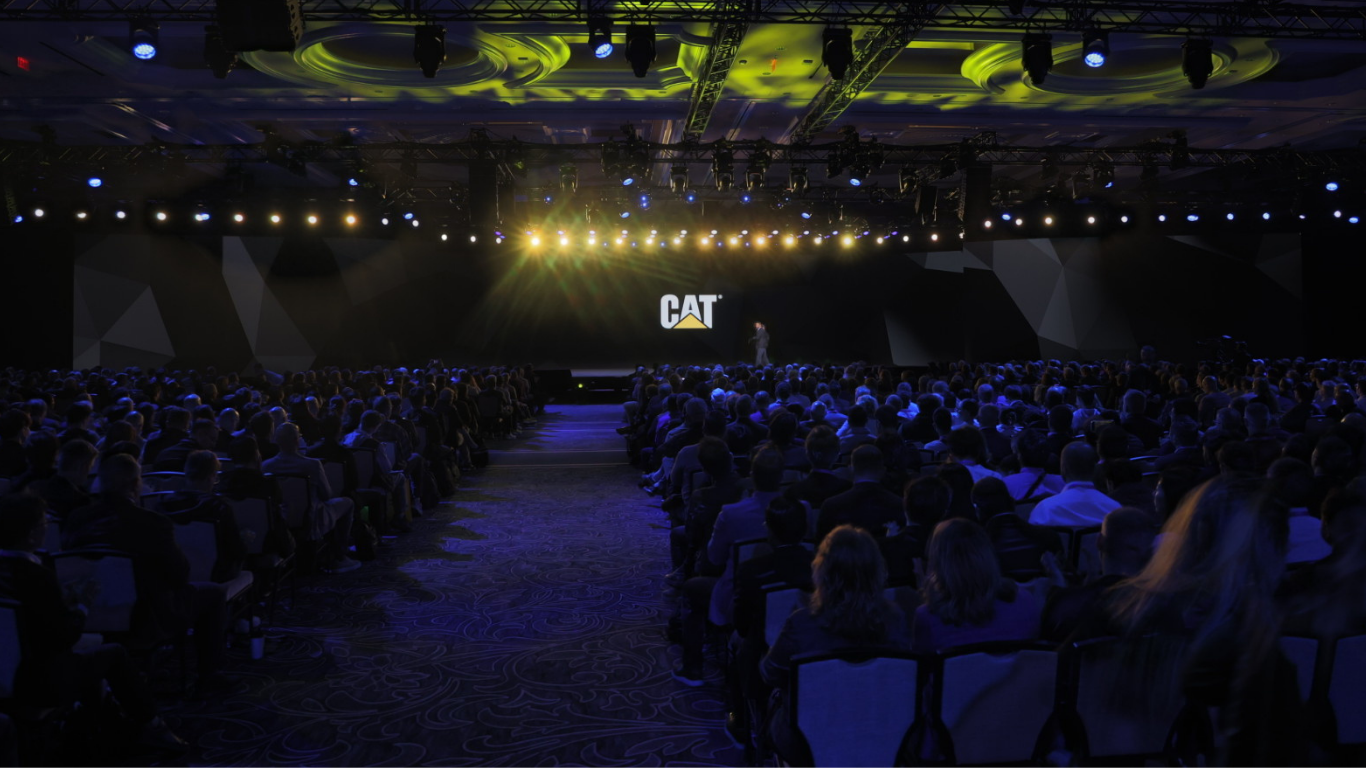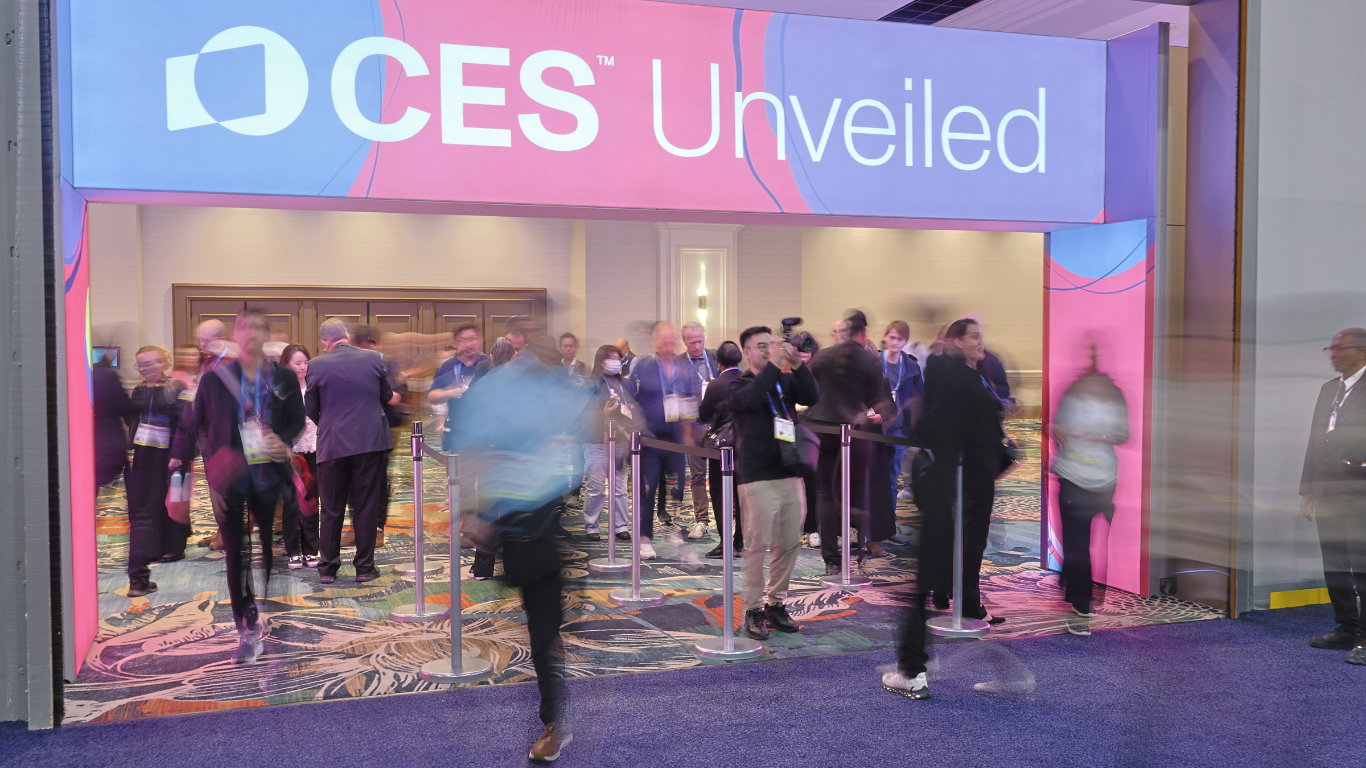

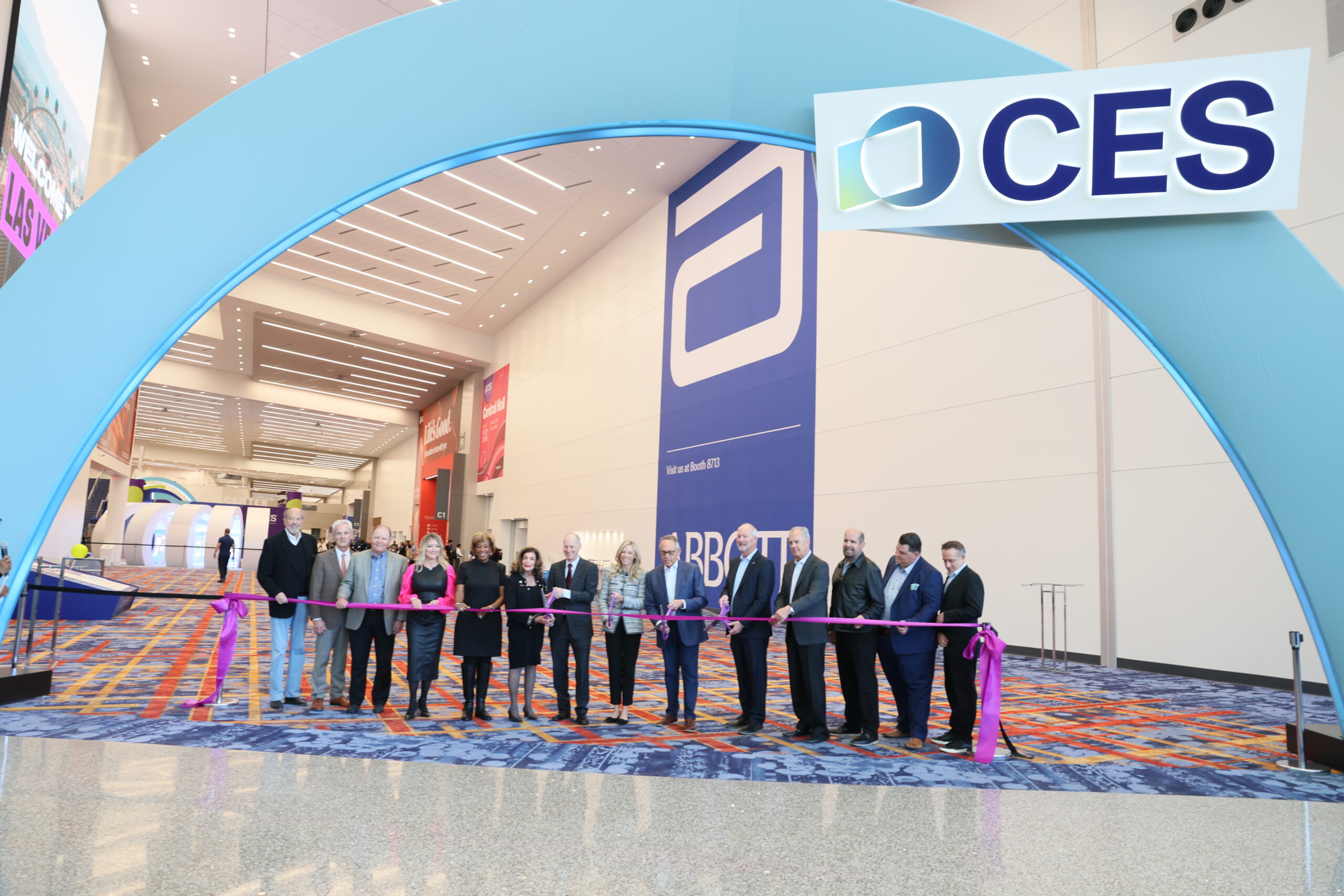
CES® 2026. Photo Credit Consumer Technology Association (CTA)®.
CES has always been as revealing for what it omits as for what it puts on stage. CES 2026 was no exception.
Machine vision was present across the show floor, sometimes prominently, often quietly, but rarely as the central story. Cameras, perception software, and AI-driven inspection appeared throughout robotics, industrial automation, mobility, and edge AI platforms. Specialist vision companies were there, engaging, demonstrating, and talking seriously about deployment.
What was missing was not machine vision itself, but the way it was framed.
Vision Was There, Just Not Positioned as the Headline
CES 2026 did not lack machine vision expertise. Dedicated vision companies, including those focused on industrial AI and inspection, were active participants. However, their messaging had shifted. Rather than leading with algorithms, accuracy metrics, or camera specifications, vision specialists increasingly positioned their technology as part of broader systems.
The emphasis was on integration, reliability, and real-world use, not novelty.
In previous years, machine vision often appeared as a category that needed explanation or justification. At CES 2026, vision was largely assumed. Robots were expected to see. Autonomous systems were expected to perceive. Industrial platforms treated vision as a given input rather than a differentiator to be marketed.
That change is subtle, but significant.
Fewer Breakthrough Claims, More Maturity
CES 2026 did not deliver a single, defining machine vision breakthrough. There was no dramatic leap in sensor resolution, no radical new perception paradigm, and no rebranding of vision under a new buzzword.
Instead, the tone was calmer.
This was not a sign of stagnation. It was a sign of maturity. Vision technologies are no longer trying to prove they work. They are trying to prove they can be deployed, maintained, and trusted over time.
For many exhibitors, especially those serving industrial markets, the story had shifted from capability to dependability.
Vision Is Being Absorbed Into Larger Systems
Perhaps the clearest signal from CES 2026 was how thoroughly machine vision has been absorbed into system-level narratives. Robotics platforms spoke about autonomy and adaptability. Industrial solutions focused on uptime and operational efficiency. Edge AI vendors highlighted scalability and lifecycle management.
Vision underpinned all of these conversations, but it was rarely isolated.
This has implications for how machine vision companies position themselves in 2026. Value is increasingly defined at the system level rather than the component level. Success depends less on having the most impressive demo, and more on how well vision integrates into complex workflows and survives contact with real environments.
What CES Didn’t Talk About, But Should Have
One notable absence was a deeper discussion of responsibility.
As vision systems become embedded in decision-making processes, questions around accountability, explainability, and human oversight are becoming unavoidable. CES remains a venue optimised for possibility and scale, not for consequence.
That does not mean these issues are unimportant. It means they are being pushed into other spaces, deployment conversations, operational reviews, and internal design discussions, where the real costs of failure are felt.
This gap between capability and responsibility is widening, and it will shape how vision systems are judged in the years ahead.
What the Absence Really Signals
CES 2026 did not suggest that machine vision is becoming less important. Quite the opposite. It suggested that vision has crossed a threshold.
When a technology no longer needs to announce itself, it has become infrastructure.
That brings new risks. Infrastructure can be taken for granted. Under-designed. Under-budgeted. Expected to work without being fully understood. In this phase, the most important developments in machine vision are unlikely to arrive as headline announcements.
They will appear in quieter decisions. Optical design choices. Integration strategies. How uncertainty is communicated to operators. How responsibility is shared between systems and people.
CES 2026 did not show us the future of machine vision in bold letters. It showed us something more telling.
Machine vision is no longer asking to be noticed.
In 2026, it will be judged on whether it can be trusted.