
Achieving accurate, consistent color is critical in today’s imaging applications, from print inspection and electronics to life sciences and metrology. Yet, most color cameras rely on Bayer-pattern sensors that estimate color through interpolation, often leading to artifacts, noise, and reduced precision.
JAI’s whitepaper explains how multi-sensor prism cameras overcome these challenges to deliver superior color fidelity and image sharpness without heavy post-processing.
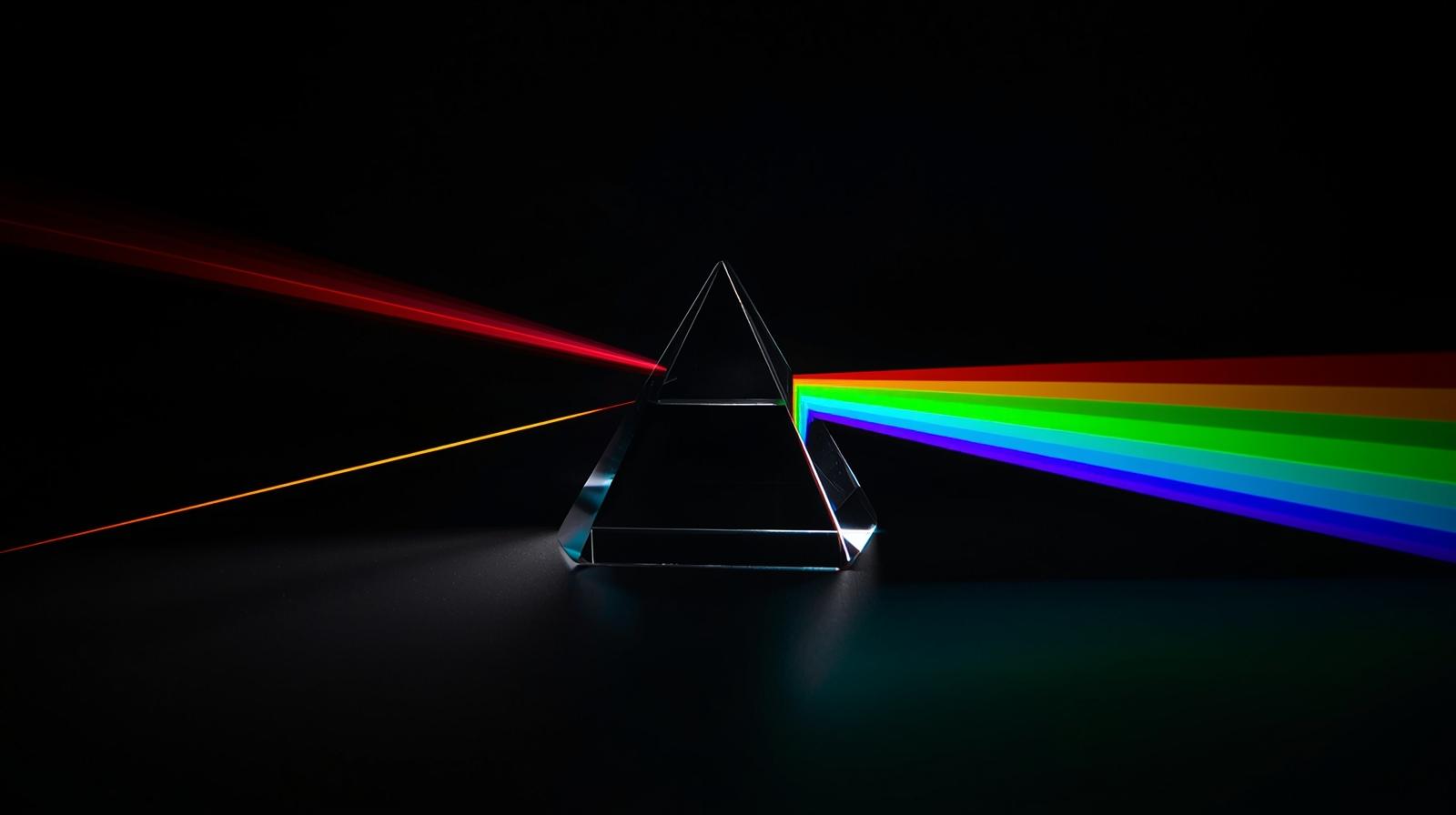
By using precision-engineered dichroic prisms to split incoming light into separate RGB (or RGB+NIR) channels, prism-based cameras capture each wavelength on a dedicated monochrome sensor. This optical design enables:
- Accurate color capture across the full image frame
- Minimal color crosstalk and excellent spectral separation
- Independent exposure and gain control for each color channel
- Sharper, cleaner, and more consistent images at full resolution
Unlike Bayer-pattern systems, prism cameras record the complete light spectrum directly at the sensor level, eliminating the need for debayering and reducing artifacts like moiré or false hues. The result is unmatched clarity, contrast, and color differentiation across every frame.

Download the white paper to learn:
- How prism-based cameras achieve superior color fidelity and spatial resolution
- Why optical color separation outperforms algorithmic estimation
- How to optimize your system for the best color accuracy and signal quality
Download the whitepaper HERE